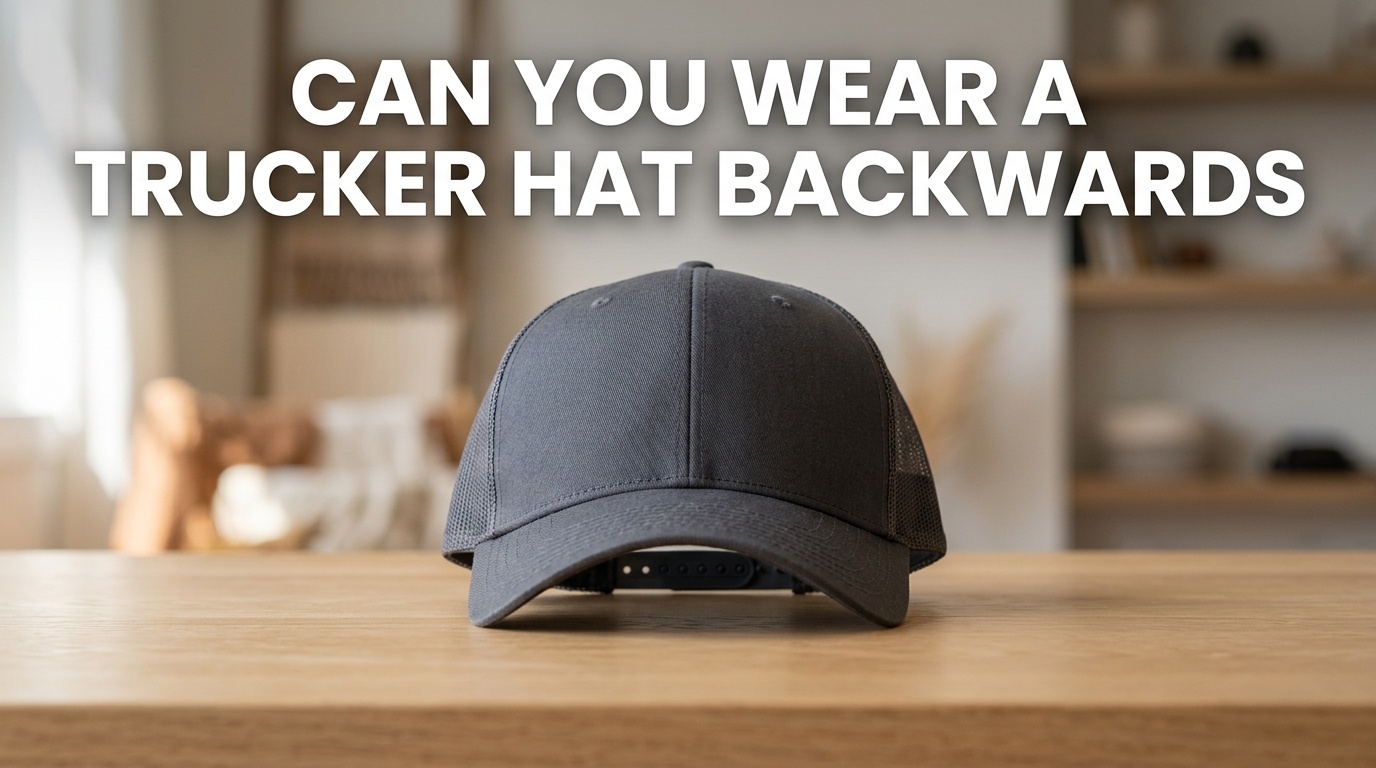
In the world of fashion and corporate branding, headwear remains a versatile accessory that can communicate personality, professionalism, and brand identity. Among the many styles available, trucker hats have experienced a resurgence, both in casual wear and promotional merchandising. A common question that arises among retailers, entrepreneurs, and brand strategists is whether wearing a trucker hat backwards aligns with professional standards and market trends. Understanding the nuances of this fashion choice can impact your procurement decisions, product offerings, and consumer engagement strategies. This article explores the cultural, business, and stylistic considerations involved in wearing a trucker hat backwards and how this insight can optimize your wholesale product lines.
The Cultural Significance of the Trucker Hat
Historical Origins and Evolution
The trucker hat, originally designed in the late 20th century, drew inspiration from practical headwear worn by commercial truck drivers. Its distinctive features include a mesh back for ventilation, a foam front panel for branding, and a pre-curved brim. This functional design was later embraced by various subcultures and the mainstream fashion industry, becoming a symbol of rugged individualism, youth culture, and sports branding.
Symbolism and Style Statements
In contemporary fashion, the trucker hat symbolizes laid-back, casual aesthetics but also serves as a canvas for brand logos, slogans, and artistic expressions. Its reversibility or use worn backwards often signifies a rebellious or relaxed attitude, resonating with younger demographics, streetwear communities, and certain leisure-oriented markets. Recognizing these cultural associations is crucial for wholesalers aiming to meet diverse consumer preferences.
Can You Wear a Trucker Hat Backwards? Analyzing Style and Business Implications
Fashion and Personal Expression
Wearing a trucker hat backwards is widely accepted in casual settings, sports events, and youth-centered activities. This style choice projects confidence, non-conformity, and a relaxed vibe, which can be appealing for brands targeting lifestyle markets. For wholesale buyers, incorporating backward-worn trucker hats in product assortments caters to evolving fashion trends and allows retailers to appeal to identity-driven consumers.
Professional Standards and Brand Messaging
However, in formal or corporate settings, donning a trucker hat backwards may conflict with image standards, professionalism, and safety considerations. Business environments that emphasize corporate attire or conservative branding might view backwards-worn hats as too casual or unprofessional. Therefore, understanding your target audience and the context in which the hats are worn informs your product positioning and marketing strategies.
Market Segments and Consumer Expectations
- Youth and Streetwear Markets: Backward-worn trucker hats are a staple, aligning well with casual, trendy, and rebellious aesthetics.
- Outdoor and Sports Enthusiasts: The style conveys an active and relaxed persona, appealing for promotional items or merchandise for sporting events.
- Corporate and Formal Settings: Generally, backward hats are less appropriate, requiring careful consideration in product offerings for such clients.
Design Considerations for Wholesale Trucker Hats
Adjustments for Backward Wearability
When producing trucker hats designed for backward styling, small modifications enhance appeal and functionality:
- Adjustable Fit: Ensure the hat features a user-friendly snapback or strap for easy fitting across different head sizes, facilitating comfortable wearing backwards.
- Flat Brim Preference: Opt for flat or slightly curved brims, which are favored in streetwear and backward-worn styles.
- Minimal Branding on Front: Less prominent front designs allow consumers to customize or personalize the hat without conflicting with the backward look.
Material and Customization Options
High-quality mesh backs, durable foam fronts, and robust stitching create a premium product that consumers are more likely to wear confidently in backward style. Customization options such as embroidery, patches, and print designs on the front or sides complement the style and facilitate brand visibility, especially when the hat is worn backwards.
Business Strategy: Incorporating Backward-Style Trucker Hats into Your Offerings
Aligning Product Lines with Market Trends
Monitoring fashion trends and cultural shifts allows wholesalers to stock hats that meet consumer expectations. Incorporating backward-worn trucker hats as part of casual and lifestyle collections can enhance your market positioning, increase sales, and attract diverse demographics.
Marketing and Packaging Tips
Position the hats as fashion-forward, youthful, and expressive accessories. Use marketing visuals that depict the hats worn backwards in relevant environments—concerts, sports events, street scenes—to resonate with target consumers. Packaging should emphasize customization options, durability, and comfort to appeal to both retailers and end-users.
Pricing and MOQ Considerations
Offering customization with low Minimum Order Quantities (MOQ) — such as 100 units — can attract small to medium retailers seeking flexible inventory options. Affordable international shipping, combined with quick turnaround times, enhances the value proposition. Maintain ISO 9001:2015 certification standards to ensure consistent quality, building trust with your clients and end-users.
Partner with the Experts
To stay ahead in the competitive wholesale headwear market, partnering with experienced manufacturers is essential. Custom Hats Golf offers a comprehensive range of custom trucker hats designed for versatility, style, and durability. With over seven years of industry experience, low MOQs of only 100 units, affordable international shipping, and ISO 9001:2015 certification, we provide the foundation to scale your brand effectively. Whether you’re integrating backwards-worn styles into your offerings or developing new marketing strategies, collaborating with experts ensures quality, flexibility, and competitive advantage for your business.