In the world of headwear, confusion can often arise between different types of hats that serve various purposes and appeal to distinct markets. Among these, the terminology surrounding “trucker hats” and “baseball hats” is frequently misunderstood or conflated, especially in wholesale distribution channels. Despite their similarities, a trucker hat is not simply a variation of a classic baseball cap. Recognizing the differences is essential for suppliers, retailers, and brand owners seeking to provide consumers with the right products that meet style, function, and branding expectations.
The Distinct Origin and Evolution of the Trucker Hat
Historical Background of the Trucker Hat
The trucker hat, also known as a mesh cap or mesh hat, was originally designed in the United States in the 1960s. Its primary purpose was utilitarian: to serve truck drivers and farmers who needed durable headwear that provided both sun protection and ventilation during long hours on the road or outdoors. The hat gained popularity among small business owners and entrepreneurs who used it for advertising, with brands embossing logos directly onto the front panel.
Design Innovations and Cultural Adoption
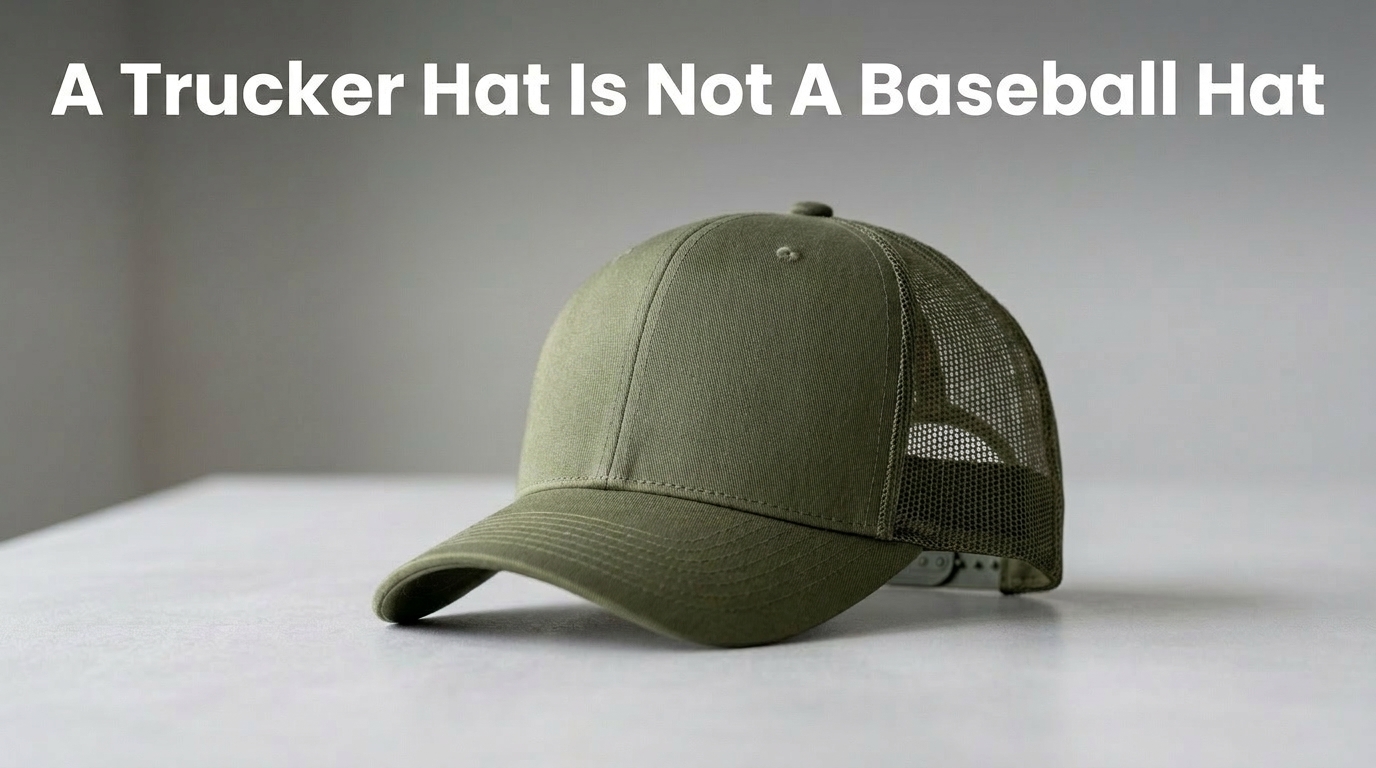
The hallmark of the trucker hat lies in its design features, which distinguish it from other cap styles:
- Front Panel: Usually made of foam or cotton, providing a solid surface perfect for branding and logos.
- Mesh Back: Made of plastic or nylon mesh, offering breathability and comfort during heat exposure.
- Snapback Closure: Typically fitted with an adjustable plastic snap for a customizable fit.
This combination of features made the trucker hat an ideal promotional tool and a fashionable accessory among outdoor workers and subsequently among youth and streetwear enthusiasts.
Design and Material Differences: Trucker Hats vs. Baseball Caps
Structural Components
Baseball Cap: Traditionally features a rounded, stiffened crown with six fabric panels and a pre-curved or flat brim. The focus is on a classic, sports-inspired silhouette that provides frontal sun protection while maintaining a snug fit.
Trucker Hat: Has a similar structured front panel—often larger and flat or slightly curved—paired with a detachable or sewn-in mesh back. The mesh material serves social and functional roles, enabling heat dissipation.
Material Composition
- Baseball Cap: Made predominantly with cotton twill, wool, or synthetic fabrics. The materials are designed for durability and aesthetic appeal.
- Trucker Hat: The front is often foam or cotton, with the back constructed entirely from plastic or nylon mesh, designed explicitly for ventilation.
Visual and Style Variations
While both styles can feature embroidered logos and various colors, the trucker hat’s mesh back creates a casual, vintage, or western vibe distinct from the sleek, athletic look of traditional baseball caps. These visual differences inform purchasing decisions for wholesale buyers aiming to capture specific market segments.
Functional Differences and Market Implications
Comfort and Breathability
The mesh back of trucker hats offers superior airflow, making them more suitable for hot climates, outdoor events, or active lifestyles. Conversely, baseball caps, with their full fabric construction, provide better blocking from wind and light but less ventilation. Understanding these aspects is crucial when selecting headwear for specific industries or target demographics.
Branding and Customization
- Trucker Hats: The foam front panel provides an ideal canvas for screen printing, embroidery, or patches, which is why they are popular promotional products in wholesale markets.
- Baseball Caps: Offer a rounded crown that is better suited for intricate embroidery or sewn-on patches, appealing to sports teams or premium branding.
Durability and Use Cases
Due to their materials, trucker hats tend to be more lightweight and resistant to elements like rain and sweat, while baseball caps may last longer under regular wear but are less breathable. For wholesale buyers, matching product features to customer needs enhances satisfaction and brand loyalty.
Business Considerations in Stocking Trucker vs. Baseball Hats
Inventory Management and Variety
Maintaining a diverse stock that includes both trucker and baseball caps allows wholesalers to cater to varied client preferences—from outdoor retail outlets to fashion boutiques. The differences in design and materials mean different manufacturing processes and sourcing strategies must be employed to optimize cost and quality control.
Pricing Strategies and Margins
Typically, trucker hats with embroidered logos on the foam front offer competitive wholesale margins due to the straightforward decoration process. In contrast, baseball caps with complex stitching or higher-quality fabrics might command premium prices. Understanding these nuances supports effective pricing strategies.
Compliance and Certification Standards
Partnering with ISO 9001:2015 certified manufacturers, like customhatsgolf.com, ensures that production adheres to international quality standards, providing reliable products whether stocking trucker or baseball hats.
Bridging the Gap for Wholesale Success
Marketing and Consumer Trends
While baseball caps have long been associated with sports teams and athletic brands, trucker hats have carved a niche in streetwear, music festivals, and outdoor lifestyle markets. Recognizing these trends allows wholesalers to align their inventory with consumer demand effectively.
Customization Opportunities
Both trucker and baseball caps serve as excellent canvases for branding. However, the flat foam panel of trucker hats lends itself to stark logo designs, graphic prints, or text, which are highly visible and memorable for promotional campaigns. Wholesale buyers should consider these presentation features when selecting styles for client orders.
Partner with the Experts
Choosing the right headwear for your business requires understanding the subtle but impactful differences between product styles. At customhatsgolf.com, we offer a wide range of wholesale trucker and baseball hats crafted with ISO 9001:2015 standards, ensuring consistent quality, low minimum order quantities of 100 units, and cost-effective international shipping. With over 7 years of industry experience, our team is prepared to support your business growth by providing tailored solutions that meet your branding and supply chain needs.