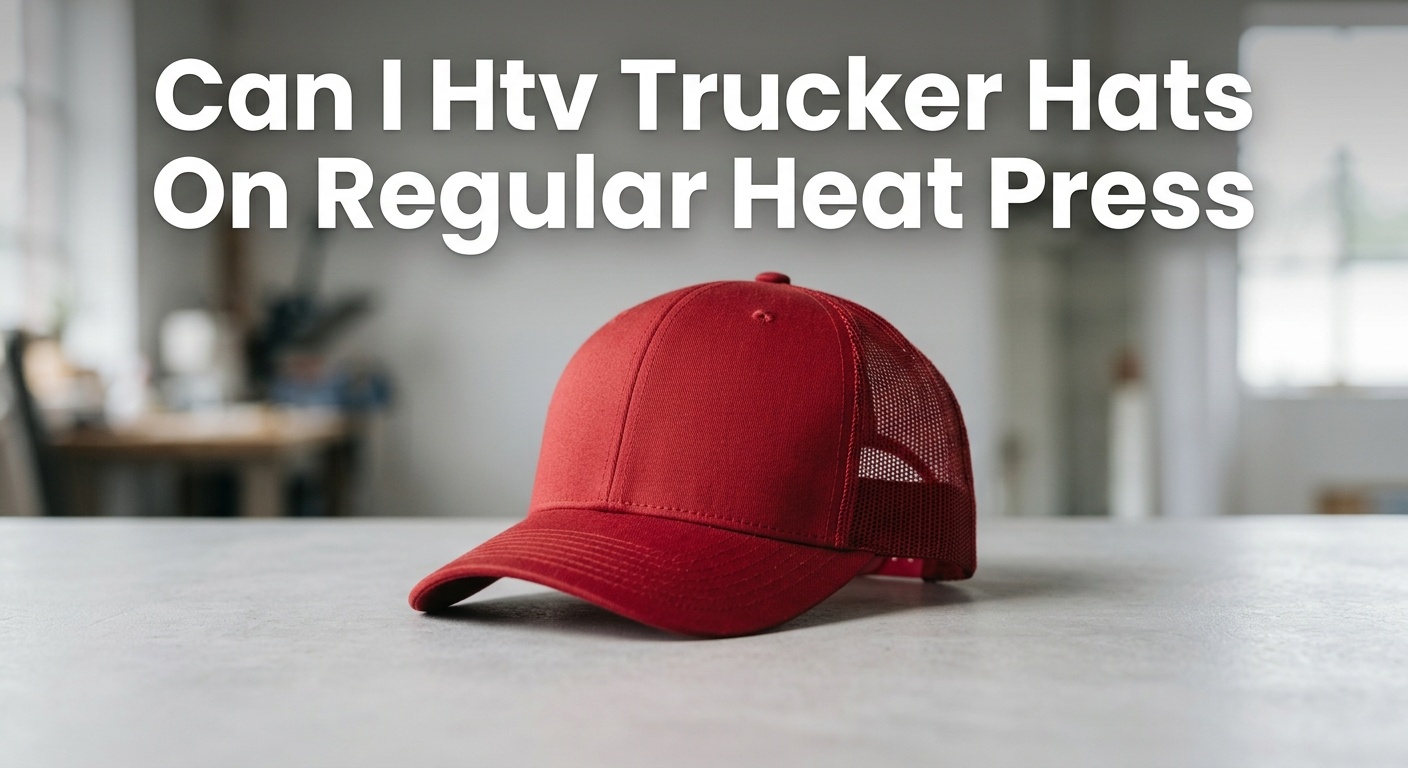
Trucker hats and heat pressing are two widely used customization methods in the promotional and fashion industries. For wholesale buyers aiming to add personalized designs to high-quality trucker hats, understanding the compatibility between the heat press process and these caps is essential. Specifically, a common question arises: Can you use a regular heat press on HTV (Heat Transfer Vinyl) trucker hats? The answer hinges on a variety of factors including hat material, construction, and the heat pressing process. Navigating these details ensures achieving durable, professional results without compromising the integrity of the hat or the quality of the design.
Understanding Trucker Hats and HTV Material
What Are Trucker Hats?
Trucker hats are characterized by their mesh backs, adjustable snap closures, and structured front panels. Originally popularized by truck drivers, these caps have become mainstream fashion staples, often used for branding, promotional giveaways, and personal style statements. Their popularity is driven by their breathability, affordability, and distinctive look, making them a preferred choice for customizable merchandise in the wholesale market.
What Is HTV (Heat Transfer Vinyl)?
HTV is a versatile material used to embellish apparel and accessories through heat application. It is available in various finishes—matte, gloss, glitter, and more—and adheres firmly to fabric when pressed at manufacturer-recommended temperatures and durations. HTV is favored for its durability, vibrant colors, and ease of use, making it ideal for wholesale customization of caps and other items.
Material Compatibility and Construction of Trucker Caps with HTV
Cap Materials Suitable for Heat Pressing
The traditional trucker cap features a combination of materials, mainly cotton or polyester for the front panel and a mesh or polyester net for the back. When applying HTV, the front panel’s fabric type is the primary consideration. Cotton and polyester fabrics are generally compatible with heat transfer, provided temperature and pressure are appropriately calibrated. The mesh back, however, presents challenges, as its porous and open fabric structure does not support the adhesion of HTV well and may be damaged by heat.
The Impact of Cap Construction
- Structured Front Panel: Usually made of buckram or foam covered with fabric, offering a flat, stable surface suitable for HTV application.
- Mesh Back: Not suitable for heat pressing directly; attempting to press through mesh can result in uneven transfers, damage to the mesh, or compromised cap structure.
- Visor and Stitching: Generally, heat presses should be avoided directly on the visor or seams, as high heat and pressure may distort or weaken these components.
Can You Use a Regular Heat Press on Trucker Hats?
In Terms of Feasibility
Using a regular flat heat press to apply HTV to trucker hats is feasible but requires careful consideration. The primary challenge arises from the shape and construction of the cap. Flat heat presses are designed for garments and flat surfaces, making them less suitable for curved or contoured areas such as the front panel of a trucker hat.
Technical Limitations
- Shape Compatibility: Flat presses are not designed to conform to the rounded crown of a hat, risking uneven heat transfer or fabric scorching.
- Pressure Distribution: Achieving uniform pressure over the front panel is difficult without customized attachments or platen inserts.
- Material Damage: High temperatures and excessive pressure can distort or damage cap materials, particularly foam or buckram supports.
Solutions and Alternatives
While a regular flat heat press can be used with modifications—such as employing a hat press attachment or a curved platen—these tools are recommended for optimal results. The use of a specialized cap heat press with a curved or concave platen provides a more precise and controlled application, reducing the risk of damage and ensuring consistent transfer quality.
Proper Heat Press Settings for HTV on Trucker Hats
Temperature and Time
The standard HTV application typically involves temperatures ranging from 280°F to 320°F (138°C to 160°C). For trucker hats, lower temperatures are preferable to prevent warping, especially on foam or buckram panels. A typical setting might be 300°F (149°C) for 10-15 seconds, but always verify with the HTV manufacturer’s recommendations.
Pressure and Peasing
Medium to firm pressure ensures good adhesion without damaging sensitive materials. Adjust the pressure to provide firm contact without crushing the fabric or foam components. Use a pressing pillow or custom platen to focus pressure where needed.
Best Practices to Achieve Durable and High-Quality Results
Pre-Press and Surface Preparation
Pre-press the cap’s front panel to remove wrinkles and moisture, creating a smooth surface for HTV application. Ensure the cap is clean and free from dust or oils which can impair adhesion.
Applying HTV
- Cut the HTV with a shiny carrier side facing up.
- Position the design accurately on the front panel.
- Use a heat press with adjustable settings, or specialized cap attachment, to apply consistent heat and pressure.
- Press for the recommended duration, then peel the carrier either hot or cold depending on HTV type.
Post-Press Care
Allow the cap to cool completely before handling to ensure the HTV fully adheres. Avoid washing the cap immediately; wait at least 24 hours, and hand wash with cold water to preserve the transfer.
Risks and Limitations
Potential Damage and How to Prevent It
Using a regular flat heat press on trucker hats, especially without proper attachments, can pose risks such as:
- Distortion of the cap shape or foam buckram
- Damage to the mesh back if pressed through
- Uneven transfers leading to aesthetic issues
To mitigate these risks, use cap-specific heat presses or attachments, and ensure proper calibration of temperature and pressure settings.
Conclusion: Optimizing Cap Customization for Wholesale Success
While it is technically possible to apply HTV to trucker hats using a regular heat press, the process involves several challenges related to shape, materials, and application technique. For wholesale operations aiming for consistent, professional results, investing in a dedicated cap heat press with curved platens and adjustable pressure features provides significant advantages. Such equipment ensures a precise fit, even heat distribution, and minimized risk of damage or inconsistent designs.
Partner with the Experts
To streamline your cap customization needs, consider sourcing from customhatsgolf.com. We offer low MOQs of just 100 units, low international shipping costs, and over 7 years of expertise in manufacturing high-quality caps. Our ISO 9001:2015 certified processes guarantee reliable, consistent products that meet industry standards, helping your business scale efficiently and professionally in the competitive wholesale market.