
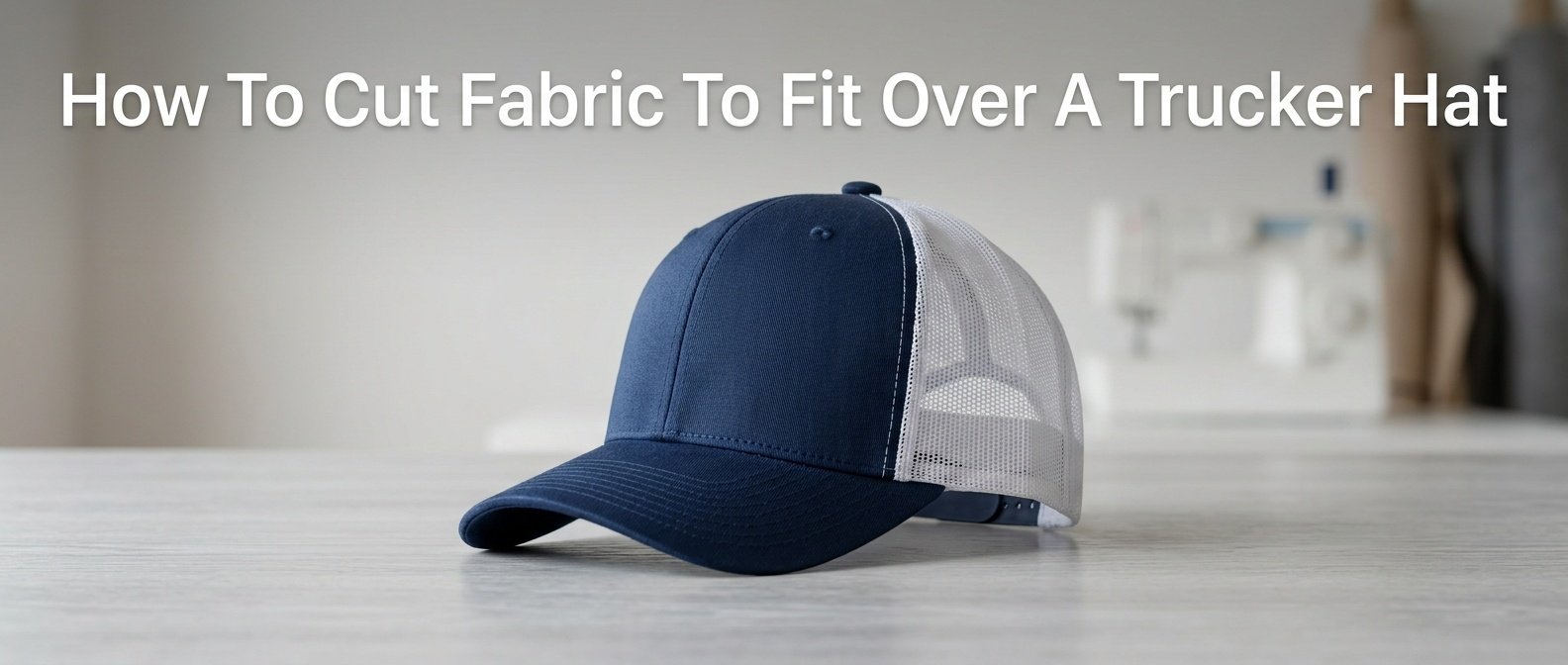
When producing custom fabric overlays for trucker hats, precise measurement and cutting techniques are essential to ensure a professional fit and high-quality appearance. Accurate fabric cutting not only enhances the final product but also streamlines manufacturing, reduces waste, and maximizes efficiency — all crucial factors for wholesale operations seeking consistent results. This guide provides in-depth insights into the proper methods and standards for cutting fabric designed to fit over a trucker hat, helping manufacturers and suppliers deliver superior products to their clients.
Understanding the Components of a Trucker Hat
The Basic Structure
A trucker hat consists of multiple components: the front panel(s), the mesh back, the brim, and the adjustable strap. When creating fabric overlays, particularly for the front panel and the brim, understanding their dimensions and curvature is vital to ensure seamless fitting. The front panel usually serves as the main surface for customization, while the brim provides shade and style.
Material Considerations
Common fabrics for overlays include cotton, polyester blends, or specialized synthetic materials that can withstand embroidery, dye sublimation, or screen printing. The chosen fabric should be durable, stable, and compatible with the hat’s structure, while also being easy to cut with precision.
Measuring and Planning Your Fabric Cut
Gathering Accurate Measurements
- Front Panel Dimensions: Measure the width and height of the hat’s front curvature where the fabric will sit. Use a flexible measuring tape to follow the natural contour.
- Curvature and Edges: Note any curvature or angles that must be accommodated; these impact the shape of your pattern pieces.
- Allowances and Seam Margins: Add seam allowances (typically 0.25” to 0.5”) to all edges to ensure proper sewing without puckering or misalignment.
Designing Your Pattern
Create a pattern template using the gathered measurements. For complex curves, consider drafting the pattern on pattern paper or using CAD (Computer-Aided Design) software to enhance precision. The pattern should mirror the front panel’s shape, incorporating allowances for seams and finishing.
Fabric Cutting Techniques for Precision and Efficiency
Preparing the Fabric
Before cutting, wash and dry the fabric if necessary to prevent future shrinkage that could distort fit. Iron the fabric flat to remove wrinkles, ensuring smooth, accurate cuts.
Choosing the Right Cutting Tools
- Sharp Rotary Cutters: Ideal for straight and curved cuts, providing clean edges.
- Fabric Scissors: Use high-quality, sharp scissors for detailed trimming, especially around curves.
- Pattern Weights: Secure pattern templates onto the fabric to prevent shifting during cutting.
- Cutting Mats: Use self-healing mats for rotary cutters to safeguard the blades and ensure accurate cuts.
Cutting Procedure
- Lay the fabric on a clean, flat surface or cutting table.
- Position pattern pieces on the fabric using pattern weights or pins, aligning grain lines as per fabric specifications.
- Trace the pattern with chalk or fabric marking pens, following the edges precisely.
- Use rotary cutters or scissors to carefully cut along the traced lines, maintaining consistent pressure and blade angle for smooth edges.
- Pay special attention to curves; cut slowly and evenly for accuracy.
Ensuring Consistency and Quality Standards
Pattern Reproducibility
For wholesale manufacturing, producing multiple fabric overlays requires standardized patterns. Use CAD software or digital templates to ensure every piece matches precisely, reducing wastage and rework.
Quality Control Measures
- Inspect each cut for irregular edges or deviations from the pattern.
- Verify the dimensions of cut pieces against specifications before assembly.
- Implement a double-check system where a second operator confirms measurements and cuts.
Handling Fabric Waste
Optimize layout to minimize scrap fabric—strategically place pattern pieces to utilize the maximum fabric area. This not only cuts costs but also enhances sustainability standards within your production process.
Assembly and Finalization
Attaching Fabric to the Hat
Once pieces are cut, proceed with sewing or bonding processes, paying attention to alignment and tension. Use high-quality thread and appropriate stitching techniques to ensure durability and a clean appearance.
Finishing Touches
Ensure all raw edges are finished with overlock or serging to prevent fraying. Press seams flat for a professional finish, and conduct a final quality inspection to ensure fabric overlays sit perfectly over the hat structure.
The Business Benefits of Precision Cutting
Enhanced Product Quality
Accurate cuts result in better-fitting fabric overlays, reducing the likelihood of rejection or rework, which directly improves customer satisfaction and brand reputation.
Cost Efficiency
- Minimizing fabric waste through optimized layouts lowers material costs.
- Reducing rework and defect rates saves valuable labor and time.
- Standardized processes streamline production cycles, increasing throughput.
Scalability for Wholesale Operations
Consistent patterning and cutting practices enable scalable manufacturing, supporting large-volume orders while maintaining quality standards across all units.
Partner with the Experts
Scaling your brand with high-quality fabric overlays for trucker hats becomes easier when partnering with experienced manufacturers. Custom Hats Golf offers low MOQs of just 100 units, economical international shipping, over 7 years of manufacturing expertise, and ISO 9001:2015 certification—ensuring your business receives reliable, consistent, and premium-quality products at competitive prices. Our professional guidance and commitment to quality make us the ideal partner to support your wholesale success in the custom hat industry.