Creating a custom baby trucker hat can be a profitable addition to your wholesale product line, appealing to a broad market that values adorable, functional, and customizable headwear. This guide provides a detailed overview of the manufacturing process, design considerations, materials, and business strategies essential to producing high-quality baby trucker hats at scale. Understanding these elements can help you streamline production, ensure product consistency, and meet the demands of your retail clients efficiently and cost-effectively.
Understanding the Baby Trucker Hat Market
The baby accessory market has seen consistent growth, with parents and gift buyers seeking cute, comfortable, and customizable options for infants and toddlers. Baby trucker hats combine playful design with practicality, making them an attractive product for wholesale buyers. As a manufacturer or distributor, developing a line of baby trucker hats requires attention to safety standards, fabric quality, and design trends to stand out in a competitive marketplace.
Design Essentials for Baby Trucker Hats
Size and Fit
Designing a baby trucker hat starts with selecting the correct size and fit. Generally, these hats should feature adjustable straps or stretchy fabrics to accommodate infants and toddlers of varying head sizes. Standard measurements range from 16 to 20 inches in circumference, with a slightly curved brim to protect the child’s eyes from the sun.
Design Elements
- Colors and Patterns: Bright, cheerful colors and playful patterns appeal to both children and parents. Consider seasonally themed designs, animals, or popular characters.
- Branding and Customization: Incorporate space for embroidery, appliqué, or screen printing of logos, slogans, or designs for wholesale clients seeking unique branding opportunities.
- Safety Features: Use non-toxic dyes, hypoallergenic fabrics, and secure attachments for embellishments to ensure safety compliance.
Materials and Components
Fabric Choices
Choosing high-quality, breathable, and lightweight fabrics is essential for baby headwear. Common options include cotton twill, mesh mesh, or a cotton-polyester blend. Breathability and moisture-wicking properties help keep infants comfortable, especially in warmer climates.
Mesh Back Panel
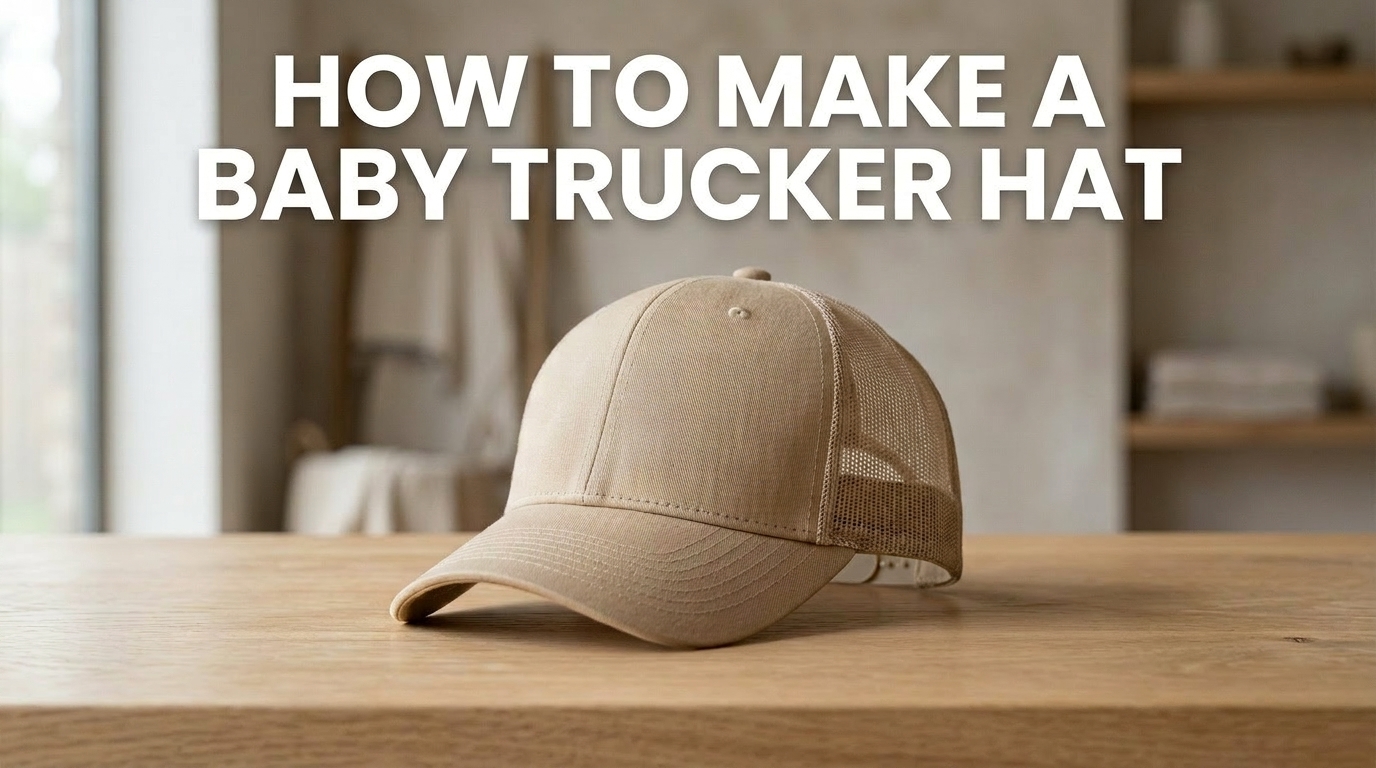
The hallmark of a trucker hat is the mesh back panel, which promotes airflow and added comfort. For baby hats, the mesh should be soft, durable, and securely stitched to prevent fraying or detachment, ensuring product longevity and safety.
Brim and Front Panel
The front panel often features a reinforced structure covered in fabric, which can be personalized with embroidery or patches. The brim should be sturdy yet lightweight, with a soft edge to avoid irritation or injury.
Adjustable Fittings
- Snapback: Small plastic snaps allow for size adjustments.
- Hook-and-Loop (Velcro): Offers easy adjustability but may wear out over time.
- Stretchy Bands: Provide a snug fit without the need for adjustment hardware.
Manufacturing Process
Pattern Creation and Cutting
Begin with precise digital or manual patterns tailored for baby head sizes. Use CAD software for accuracy, ensuring all pieces align perfectly when assembled. Cutting can be automated through industrial fabric cutters or done manually for small batches, maintaining strict quality controls.
Sewing and Assembly
The assembly involves multiple steps:
- Attach the front panel to the side and back panels.
- Insert the mesh back panel securely, stitching it neatly to the fabric components.
- Attach the brim, reinforcing seams to prevent fraying.
- Install adjustable straps or fasteners appropriately.
- Embroider or add decorative elements if specified.
Quality Control
Implement multi-stage inspections at each production phase. Check for stitching integrity, fabric defects, and proper fitting of adjustable components. The final quality check should verify safety standards, fit, and aesthetic consistency before packaging.
Packaging and Shipment
Packaging should focus on protecting the hats during transit, often utilizing recyclable materials aligned with eco-friendly practices. Individual wrapping can prevent soiling, while bulk packaging reduces shipping costs for wholesale buyers. Labels providing safety information, care instructions, and branding reinforce professionalism.
Regulatory and Safety Standards
Manufacturers must adhere to safety standards such as ASTM F963 and EN 71 compliance, which include restrictions on small parts, chemical safety, and flammability. For baby products, certifications like CPSIA (Consumer Product Safety Improvement Act) demonstrate compliance with lead, phthalates, and other safety regulations, adding credibility to your wholesale offerings.
Pricing, MOQ, and Business Strategies
Costing Analysis
An accurate cost analysis considers fabric expenses, labor, tooling, quality control, packaging, and shipment. Economies of scale can significantly reduce unit costs, especially when manufacturing large batches.
Minimum Order Quantity (MOQ)
Offering low MOQs, such as 100 units, makes it easier for buyers to test the product line without substantial investment. Working with reliable manufacturers that understand wholesale dynamics helps maintain competitive pricing and quality standards.
Shipping and Logistics
Partner with experienced international shippers to optimize costs and delivery times. Ensure all shipments comply with customs regulations for infant apparel in target markets, and establish clear communication channels for tracking and support.
Partner with the Experts
Successfully producing and selling baby trucker hats at wholesale levels hinges on reliable manufacturing partners. At customhatsgolf.com, we specialize in custom hat production with over 7 years of experience, ISO 9001:2015 certification, and low international shipping costs. Our manufacturing capabilities accommodate low MOQs, making it easier for you to expand your product offerings and meet client demands efficiently.