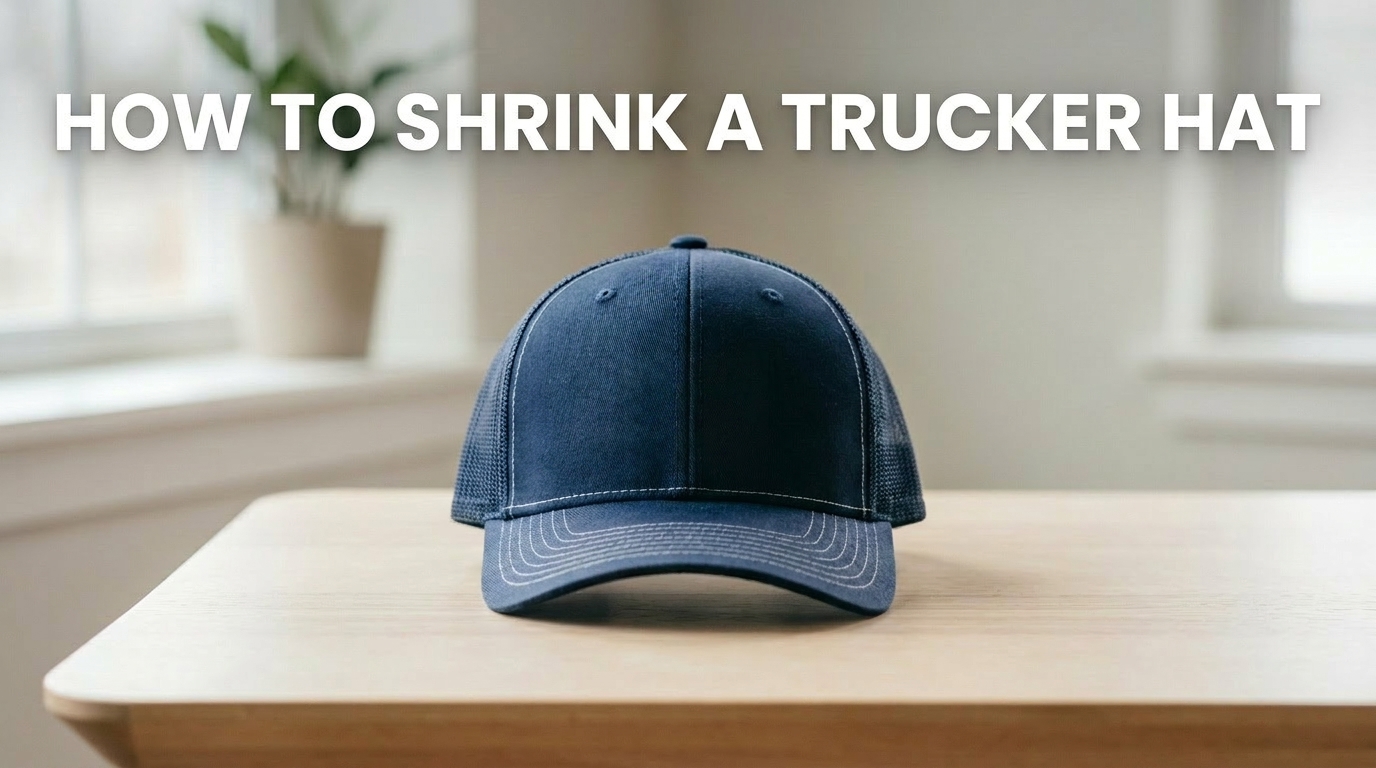
Trucker hats are a popular accessory in various markets, appreciated for their casual style and customizable potential. However, sometimes the fit isn’t quite right, and resizing can make a significant difference in customer satisfaction and product perception. For wholesale buyers and businesses looking to optimize inventory or fine-tune product fit, understanding how to effectively shrink a trucker hat can be a valuable skill. This article provides detailed insights into the best practices for resizing trucker hats, emphasizing professional standards and maintaining brand integrity.
Understanding the Composition of Trucker Hats
Before attempting to resize a trucker hat, it is critical to understand the materials involved. Typically, trucker hats consist of a structured or unstructured foam or polyester front panel, mesh back panels, and a fabric or plastic adjustable strap. The peak often is made of plastic or cardboard, covered with fabric that may or may not contain a stiffening element. Recognizing these components helps in selecting the appropriate shrinking methods, as different materials respond differently to heat and moisture treatments.
Assessing the Hat’s Material and Construction
Material Compatibility
- Polyester and Mesh: These synthetic materials are heat-sensitive and respond well to controlled heat and moisture. They are generally the easiest to shrink without damage.
- Foam Front Panels: Foam can be sensitive; excessive heat may deform the padding. Minimal heat and gentle handling are recommended.
- Fabric Peak and Straps: Fabric components are usually resilient but should be tested beforehand to prevent shrinking beyond desired size.
- Plastic or Cardboard Brim: Plastic can warp under heat, while cardboard is more rigid and less responsive; often, these parts require minimal adjustment.
Step-by-Step Methods to Shrink a Trucker Hat
Method 1: Controlled Hot Water Treatment
This method leverages hot water to relax and contract fibers, resulting in a smaller fit. It’s effective for polyester and synthetic blends common in trucker hats.
Procedure:
- Fill a large basin or sink with hot water—just below boiling point, around 120°F (49°C).
- Soak the hat thoroughly for approximately 5–10 minutes, ensuring the entire hat, including the fabric and mesh, is saturated.
- Remove the hat carefully and gently squeeze out excess water without wringing to avoid distortion.
- Shape the hat to the desired smaller size, pressing it into a form or mold if available.
- Allow the hat to air dry completely, preferably on a flat surface or shaped form to maintain the new size.
Note: Using a hat mold or form during drying helps preserve the shape after shrinking.
Method 2: Steam Heating Technique
This approach utilizes steam to gently shrink the materials with less risk of deformation. It is particularly suitable for more delicate fabrics or foam components.
Procedure:
- Hold the hat over a steam source—such as a garment steamer or boiling water—at a safe distance to generate steam.
- Expose the entire hat uniformly for about 1–2 minutes, allowing steam to penetrate the fabric and mesh.
- While still warm and pliable, reshape the hat to its smaller size, pressing gently with your hands or using a hat resizing form.
- Let the hat cool and dry naturally to set the new fit.
Note: Consistent and even steaming prevents uneven shrinking and maintains professional quality standards.
Method 3: Heat Gun or Hair Dryer Application
This faster technique provides direct heat to targeted areas, ideal for precise adjustments or minor sizing tweaks. It requires careful control to prevent material damage.
Procedure:
- Set the heat gun or hair dryer to a low or medium heat setting to avoid overheating.
- Maintain a safe distance of approximately 6–12 inches from the hat surface.
- Gradually move the heat source across the areas to be shrunk, applying heat evenly for about 1–3 minutes per section.
- Gently stretch or press the material into the desired smaller shape immediately after heating.
- Allow the hat to cool in place, which helps set the new size.
Note: Use caution to prevent melting or warping plastic or foam. Practice on scrap hats if necessary before resizing bulk inventory.
Best Practices for Professional Resizing
Testing and Quality Assurance
Before proceeding with large-scale adjustments, conduct tests on sample hats that mimic the production batch’s material composition. This allows for refining your technique and avoiding costly mistakes.
Maintaining Hat Shape and Structural Integrity
- Always reshape the hat immediately after heating or soaking, when the material is most pliable.
- Use forms or molds to ensure uniform size reduction and maintain the crown shape.
- Handle materials gently to prevent tearing, deformations, or damage, especially with foam and mesh.
Document the Process for Consistency
Record specific parameters such as temperature, soak time, and drying methods to ensure replicability across batches, which is essential for wholesale operations.
Challenges and Limitations in Shrinking Trucker Hats
Resizing is not always straightforward, especially with certain materials or complex designs. For example, hats with foam front panels or plastic brims are resistant to shrinking, and aggressive heat may damage or deform these parts. Always evaluate the material specifications and perform initial tests to determine suitability.
Conclusion: Professional Sizing for Business Success
Properly shrinking trucker hats can enhance product fit and customer satisfaction, boosting your market reputation. Employing precise methods such as hot water immersion, steaming, or controlled heat application allows wholesale clients to tailor products efficiently while maintaining professional standards. For consistent results and quality control, partnering with experienced manufacturers is critical.
Partner with the Experts
Through customhatsgolf.com, you can access high-quality manufacturing solutions with a low MOQ of just 100 units, affordable international shipping, and over 7 years of industry experience. Our ISO 9001:2015 certification ensures the highest standards in craftsmanship, allowing you to scale your brand confidently with expertly resized and customized trucker hats.