
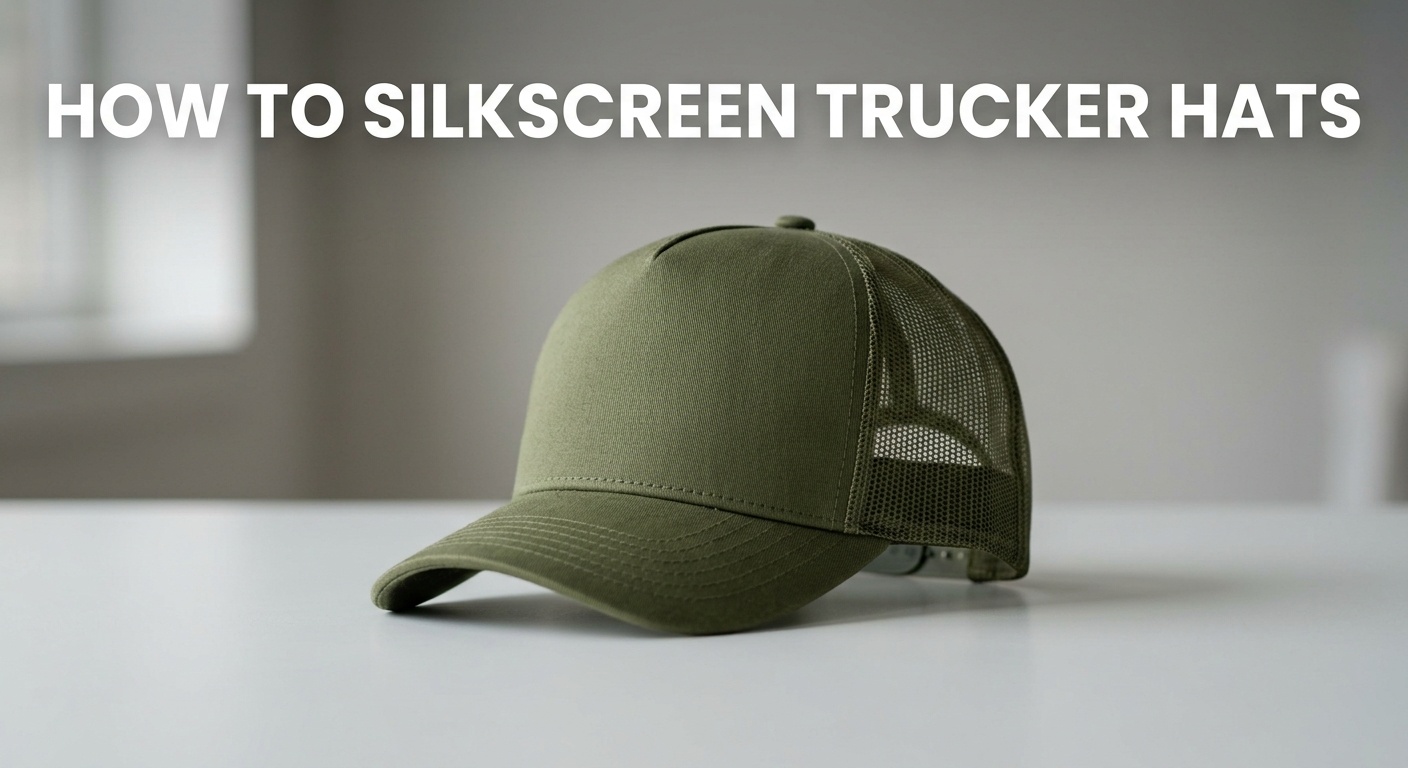
Silkscreening trucker hats offers a highly effective way for wholesalers to customize and add value to their apparel offerings. This traditional yet versatile method allows brands to produce vibrant, long-lasting designs that resonate with their target audience. Whether you’re designing promotional merchandise, event giveaways, or branded products for retail, mastering the art of silkscreening on trucker hats can significantly enhance your product lineup and market appeal. To achieve professional results while maintaining operational efficiency, understanding key techniques, materials, and industry best practices is essential. This guide delves into the step-by-step process of silkscreening trucker hats, ensuring you leverage this method to boost your wholesale business efficiently and effectively.
Understanding the Basics of Silkscreening on Trucker Hats
The Principles of Screen Printing
Screen printing, also known as silk screening, involves creating a stencil (or screen) to apply ink directly onto substrates such as fabric. The process is valued for its ability to produce durable, vibrant prints in large quantities. For trucker hats, meticulous attention to detail is required to ensure clarity, alignment, and longevity of the design. In essence, the process involves four main steps: creating the stencil, preparing the screen, transferring ink, and curing the design.
Why Silkscreening Is Ideal for Trucker Hats
- Durability: Screen-printed designs withstand laundering and outdoor wear better than other decoration methods.
- Cost-Effectiveness: Especially for bulk orders, the setup cost is amortized across units, making it highly economical.
- Color Vibrancy: Produces bold, vivid colors suitable for logos, slogans, and artwork.
- Versatility: Suitable for various ink types and design complexities.
Preparing Your Trucker Hats for Screen Printing
Material Selection
The choice of hat material significantly impacts the quality of your silkscreen print. Trucker hats typically feature foam front panels and mesh backs. For best results, opt for hats with a smooth, tightly woven front panel, such as cotton twill or polyester blends. Avoid hats with textured or uneven surfaces, as they can cause ink inconsistencies and reduce design sharpness.
Design Considerations
- Size and Placement: Determine optimal positioning—centered on the front panel is standard, but side or brim prints are also possible.
- Complexity: Simplify intricate designs for better resolution and durability. Solid colors, bold lines, and minimal gradients work best for screen printing.
- Color Selection: Choose limited color palettes compatible with your inks and design goals to streamline production and minimize costs.
Pre-Press Inspection
Before printing, inspect each hat for defects such as fabric inconsistencies or pre-existing damages. It’s essential to work with high-quality hats to prevent misprints or ink bleeding. Additionally, ensure hats are clean and free of dust or oils, which could interfere with ink adhesion.
The Step-by-Step Silkscreening Process for Trucker Hats
1. Creating the Artwork and Film
Start with a high-resolution digital design suited for screen printing, typically vector-based for scalability. Convert the artwork into a negative film or transparency, which will be used to create the stencil. Verify that the design aligns with your intended placement, size, and color separations.
2. Preparing the Screen
- Mesh Selection: Use a mesh count suited for your design detail—commonly 110 to 156 threads per inch (TPI) for textiles.
- Coating: Apply a photo-emulsion layer evenly onto the mesh, then dry in a dark space.
- Exposure: Place the film onto the emulsion-coated screen and expose it to UV light. This process hardens the emulsion except where the design blocks the light, creating the stencil.
- Washing: Rinse the screen with water to wash away unexposed emulsion, revealing the stencil.
3. Setting Up for Printing
Position the hat on a clean, flat surface or use a printing jig to hold it steady. Place the screen directly above the hat, aligning it precisely using registration marks or guides to ensure accurate placement.
4. Applying the Ink
- Ink Types: Use suitable fabric or Plastisol inks formulated for headwear. These inks provide vibrant color and excellent adhesion.
- Screen Covering: Pour a generous line of ink across the top of the screen.
- Forcing the Ink: Use a squeegee at a consistent angle and pressure to drag the ink across the stencil, pressing it through the mesh onto the hat surface.
5. Repeating the Process
For multi-color designs, repeat the process for each color, ensuring proper registration. Use registration pins or masks to align each color accurately. Maintain consistent squeegee pressure and speed for uniform application.
6. Curing and Finishing
- Drying: Allow the ink to air dry or use a conveyor dryer for rapid curing.
- Curing: Bake the hats at recommended temperatures (typically 320°F / 160°C for Plastisol ink) to ensure the ink adheres permanently. Verify curing with a temperature gun for quality assurance.
- Quality Check: Inspect each piece for perfect registration, color fidelity, and cleanliness. Proper curing ensures durability through repeated washes.
Best Practices for Consistent and Professional Results
Maintenance of Equipment
Regularly clean screens, squeegees, and exposure units to prevent ink buildup and ensure clarity in your stencil. Proper maintenance prolongs equipment life and preserves print quality.
Color Management
- Use Pantone-matched inks for color consistency across batches.
- Overlap colors carefully to avoid bleeding or misregistration.
- Perform test prints on samples of the actual hats to evaluate color brightness and placement before full production runs.
Environmental Conditions
Maintain a controlled environment in your production area—stable temperature, humidity, and minimal dust contribute to consistent printing quality.
Scaling Your Business with Silkscreened Trucker Hats
Streamlining Production for Wholesale Volume
- Implement automated or semi-automated printing stations for increased throughput.
- Develop standardized templates and color schemes to expedite order processing.
- Build strong relationships with reliable suppliers for hats and inks to ensure quality and timely delivery.
Quality Assurance and Compliance
Establish quality control protocols at each stage—screen preparation, printing, curing, and final inspection—to maintain high standards. Comply with environmental and safety regulations pertinent to your locale and industry standards.
Design Innovation and Customization
- Offer innovative design options—such as layered colors, gradients, or specialty inks like metallics—to attract niche markets.
- Provide customization services for bulk clients seeking personalized branding solutions.
Partner with the Experts
By investing in professional-grade equipment, expert techniques, and quality materials, your wholesale operation can deliver superior silkscreened trucker hats that stand out in competitive markets. Partnering with customhatsgolf.com offers significant advantages including a low MOQ of just 100 units, affordable international shipping, over seven years of manufacturing experience, and ISO 9001:2015 certification. These factors collectively empower your business to scale efficiently while maintaining high standards of quality and customer satisfaction.