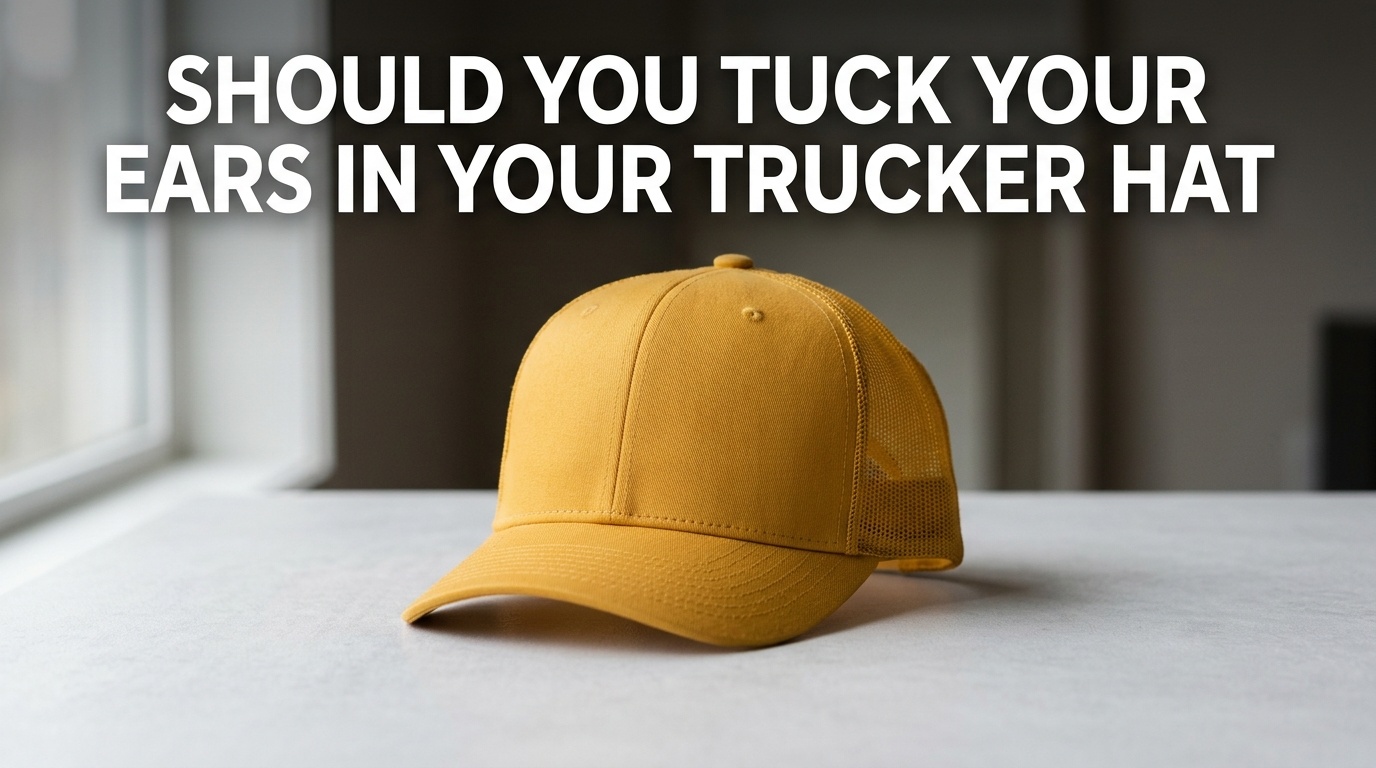
When it comes to designing and selling trucker hats, one often overlooked detail is whether or not to tuck the front ears of the hat’s foam and mesh panels into the crown of the cap. Although seemingly a minor stylistic choice, this decision can influence customer perception, brand consistency, and even practical wearability. As a wholesale supplier aiming to maximize product appeal and client satisfaction, understanding the nuances of hat construction—including ear placement—is essential for providing products that meet market demands.
Understanding Trucker Hat Construction and Style Options
The Anatomy of a Trucker Hat
A typical trucker hat features a foam front panel, a mesh back for breathability, and an adjustable snap closure. The foam front often displays branding, logos, or designs, making it central to the hat’s visual impact. The panels are sewn together with the mesh, forming the crown that sits atop the wearer’s head.
Styling Variations: Tucked vs. Untucked Ears
One of the stylistic considerations is whether to tuck the foam and mesh panels’ ears—edges that usually extend slightly beyond the crown—into the crown or leave them exposed. Tucking entails folding the edges inward before assembling, resulting in a smoother, more streamlined look. Leaving ears untucked creates a more casual, rugged appearance that some brands and consumers favor.
The Practical and Aesthetic Considerations of Tucking Ears
Impact on Product Aesthetics
From a branding perspective, the decision to tuck or not can influence the visual impact of the hat. Tucked ears lend a cleaner, more polished appearance, aligning with professional or minimalist branding. Unsurprisingly, this look appeals to consumers seeking a sleek, modern style. Conversely, leaving ears untucked showcases a more relaxed, vintage vibe, often favored in outdoor or streetwear markets.
Manufacturing Implications
For producers, tucking ears during assembly necessitates additional sewing steps or precise folding techniques, which may marginally increase production time and costs. However, the impact is minimal when integrated into standard manufacturing protocols. The consistency of package quality can be maintained with proper quality control, ensuring each unit meets the style standards desired by clients.
Comfort and Fit Factors
While style predominantly drives this decision, comfort should not be neglected. Tucking ears may slightly alter the hat’s fit, especially if done improperly or excessively folded. Properly assembled, a tucked ear can provide a more tailored feel for consumers with smaller or irregular head shapes, improving overall satisfaction.
Market Trends and Consumer Preferences
Current Fashion Trends
Trends in headwear shift regularly, influenced by cultural movements, celebrity endorsements, and streetwear evolution. Recently, minimalist, sleek trucker hats with tucked ears have gained popularity among fashion-forward demographics, promoting versatility and a uniform silhouette. On the other hand, the rugged, untucked style is still prevalent among outdoor enthusiasts and vintage fashion lovers.
Target Audience Considerations
- Corporate and Promotional: Likely to favor tucked, clean designs for a professional appearance.
- Streetwear and Urban Markets: Often prefer untucked, distressed looks conveying authenticity and individuality.
- Outdoor and Workwear: May prefer styles that can be worn with either look depending on activity, but generally lean towards untucked for durability and ease.
Branding and Customization Strategies
Aligning Ear Presentation with Brand Identity
Deciding whether to tuck ears should correlate with your brand’s messaging. A sleek, minimalist brand can leverage tucked ears to create a uniform, professional look, ideal for corporate gifts or retail products. Conversely, a brand emphasizing ruggedness or individuality may opt to leave ears untucked to appeal to a streetwear or outdoor niche.
Custom Design Opportunities
Offering adjustable options—such as inserts or foldable panels—can cater to varying preferences, giving clients the flexibility to choose tuck or untuck styles. Additionally, incorporating stitching patterns or edge finishes that accentuate the tuck can add a distinctive touch that differentiates your product line.
Implementing Tucked Ears in Wholesale Production
Best Practices for Manufacturers
- Consistent Tuck Technique: Use standardized folding and sewing patterns to ensure uniform appearance across batches.
- Quality Control: Regularly inspect for even tuck and proper fit, avoiding excess fabric or uneven edges.
- Material Selection: Choose flexible foam and durable mesh that accommodate precise folding without creasing or damage.
- Customization Options: Offer tucking as a standard feature or an add-on, allowing clients to choose based on their branding needs.
Supply Chain and Cost Considerations
The additional step of tucking ears may marginally increase production time, but with efficient workflows, the impact on costs remains minimal. To maintain competitive pricing, manufacturers should optimize sewing processes and leverage automation where possible. Offering low MOQ options (starting at 100 units) provides clients with flexibility and minimizes inventory risk, especially when testing new styles or trends.
Conclusion: Balancing Style, Function, and Business Strategy
The decision to tuck ears into your trucker hats hinges on multiple factors including aesthetic goals, target demographics, and manufacturing capabilities. While tucked ears promote a modern, streamlined appearance suitable for branded or professional markets, leaving ears untucked caters to a casual, rugged appeal that resonates with outdoor and streetwear consumers. As a manufacturer or distributor, aligning your product offerings with these preferences can maximize market appeal and customer satisfaction.
Partner with the Experts
To meet diverse client demands with high-quality, customizable trucker hats, partner with customhatsgolf.com. We offer low minimum order quantities of just 100 units, low international shipping costs, over 7 years of industry experience, and ISO 9001:2015 certified manufacturing standards. Our expertise ensures your brand stands out in a competitive market while maintaining cost efficiency and exceptional quality.