
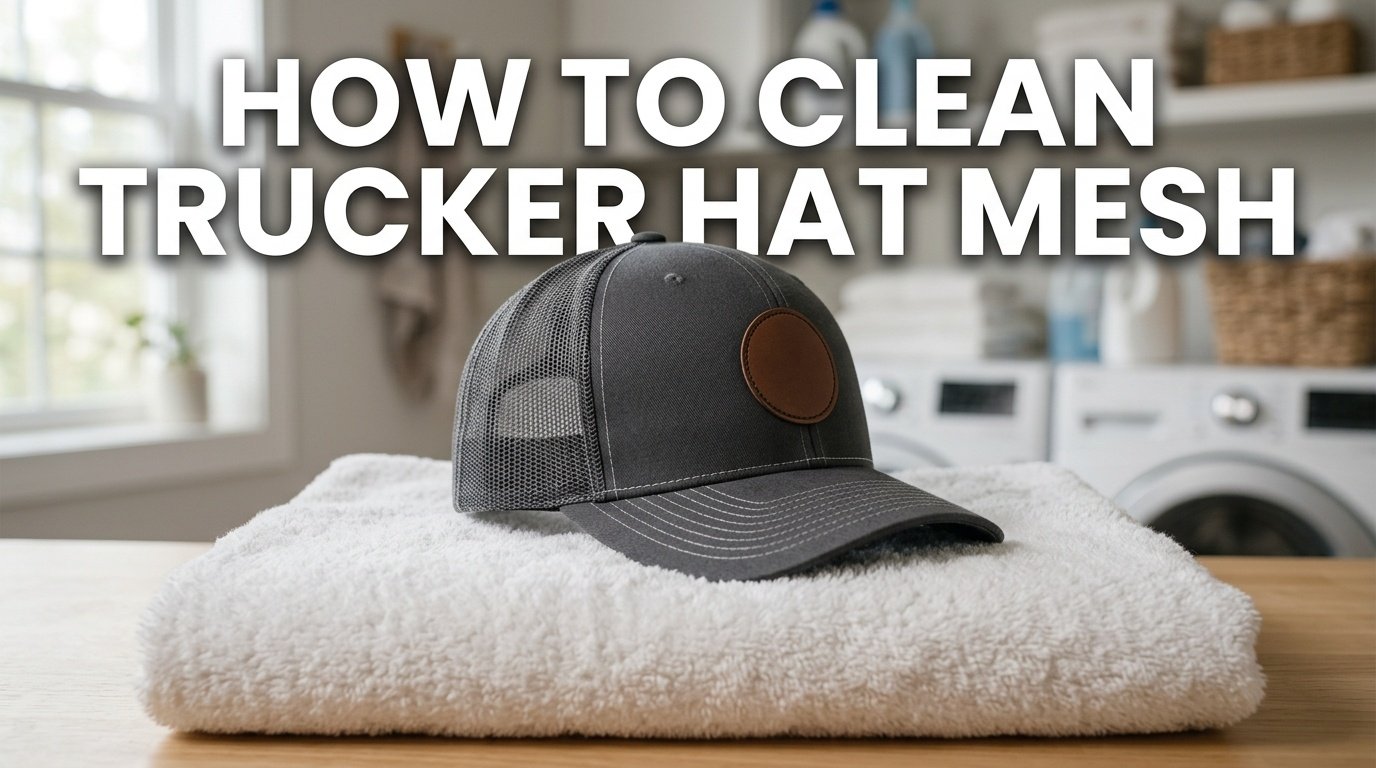
Maintaining the cleanliness of trucker hat mesh is essential for preserving the appearance, hygiene, and longevity of these popular promotional and retail headwear items. For wholesale buyers, understanding the most effective cleaning methods ensures when hats are resold or distributed, they meet quality standards that satisfy end-users. Proper cleaning not only enhances customer satisfaction but also minimizes return rates, increasing overall profitability. This guide offers comprehensive techniques tailored for bulk management, emphasizing safety, efficiency, and cost-effectiveness for businesses handling large inventories of trucker hats with mesh components.
Understanding Trucker Hat Mesh Material
Before initiating the cleaning process, it’s vital to recognize that the mesh panels in trucker hats are typically made from polyester, nylon, or other synthetic fibers. These materials are valued for their breathability and lightweight qualities but are prone to wear and damage if not handled properly. Mesh fabric tends to trap dirt, sweat, oils, and bacteria, which can lead to discoloration, odor, and deterioration over time. Knowing the fabric’s properties guides the selection of cleaning agents and methods, ensuring the mesh retains its shape, color, and structural integrity.
Pre-Cleaning Inspection and Preparation
Assessing Hat Condition
- Inspect for tears, loose stitching, or frayed edges—repair or reinforce as needed before cleaning.
- Identify areas of heavy soiling, sweat stains, or odor buildup.
Pre-Treatment Steps
- Remove any surface debris by gently brushing or using a lint roller.
- Spot-treat stains with a mild stain remover suitable for synthetic fabrics, applying a small amount with a soft brush or cloth.
Choosing the Right Cleaning Agents
For wholesale operations, selecting the appropriate cleaning solutions is critical for consistency, safety, and cost management. Opt for gentle, biodegradable detergents formulated for synthetic fabrics, ensuring they effectively break down oils and dirt without damaging the mesh. Avoid harsh chemicals like bleach, which can weaken fibers and cause discoloration. Additionally, for large quantities, consider utilizing professionally formulated industrial cleaning agents compatible with mesh materials that promote efficiency and uniformity in the cleaning process.
Effective Cleaning Techniques for Wholesale Operations
Hand Washing Method
This traditional but highly effective method is suitable for batch cleaning, especially when delicate attention to detail is required:
- Fill a large basin or commercial sink with lukewarm water. Ensure the temperature doesn’t exceed 40°C (104°F) to prevent fabric damage.
- Add a suitable detergent at the manufacturer-suggested concentration.
- Submerge the hats and gently agitate with hands, focusing on soiled areas and the mesh panels.
- Soak for 10-15 minutes to loosen dirt and oils.
- Rinse thoroughly with clean, lukewarm water until no residue remains.
Machine Washing Protocols
For bulk processing, machine washing can be efficient while maintaining consistency:
- Use a commercial washing machine with a gentle cycle setting.
- Place hats in mesh laundry bags to prevent deformation and reduce agitation damage.
- Use cold or lukewarm water with a mild detergent appropriate for synthetic fabrics.
- Avoid adding bleach or fabric softeners, which can impair the mesh’s breathability and elasticity.
- Air dry immediately after washing to prevent shrinkage or warping.
Drying Techniques for Preserving Mesh Integrity
Proper drying is crucial for maintaining the shape and condition of trucker hats with mesh panels. Heat sources such as direct sunlight or tumble dryers can distort or weaken the fabric; thus, a careful approach is recommended:
- Shape the hats manually during drying to maintain their form.
- Air dry in a shaded, well-ventilated area to prevent UV discoloration.
- Use hat forms or stuffing (e.g., tissue or rolled towels) inside the crown for shapeware while drying.
- Avoid using high heat settings on dryers, opting instead for natural air drying.
Post-Cleaning Inspection and Quality Control
After drying, inspect each hat for residual stains, shape retention, and mesh integrity. Any hats with persistent staining or damage should be set aside for repair or disposal. Maintaining a quality control process ensures only premium products reach clients, supporting brand reputation and customer satisfaction. Document findings for inventory tracking and future quality improvements.
Pro Tips for Maintaining Mesh-Laden Hats
- Washing frequency should be based on usage—regular cleaning helps prevent odor and fabric breakdown.
- Encourage end-customers to spot clean or refresh hats using mild solutions to prolong lifespan.
- Consider applying protective sprays designed for synthetic mesh fabrics to enhance stain resistance.
- Train staff on proper handling and cleaning procedures to ensure consistency in large-scale operations.
Environmental and Safety Considerations
When implementing cleaning protocols at the wholesale level, environmental responsibility should be a priority. Use biodegradable detergents and adhere to local disposal regulations for wastewater. Ensure your staff is equipped with personal protective equipment when handling chemicals, and maintain proper ventilation during cleaning processes to safeguard occupational health.
Partner with the Experts
Scaling your brand with high-quality trucker hats and ensuring their longevity through proper cleaning can maximize your business value. With a commitment to excellence, customhatsgolf.com offers low MOQs (starting at 100 units), affordable international shipping, and ISO 9001:2015 certified manufacturing with over 7 years of industry experience. Our expertise ensures you receive premium products that resonate with your customers’ expectations, backed by our dedication to quality and service.